
Mandi ki Holi: Experience the Colors of the Gods
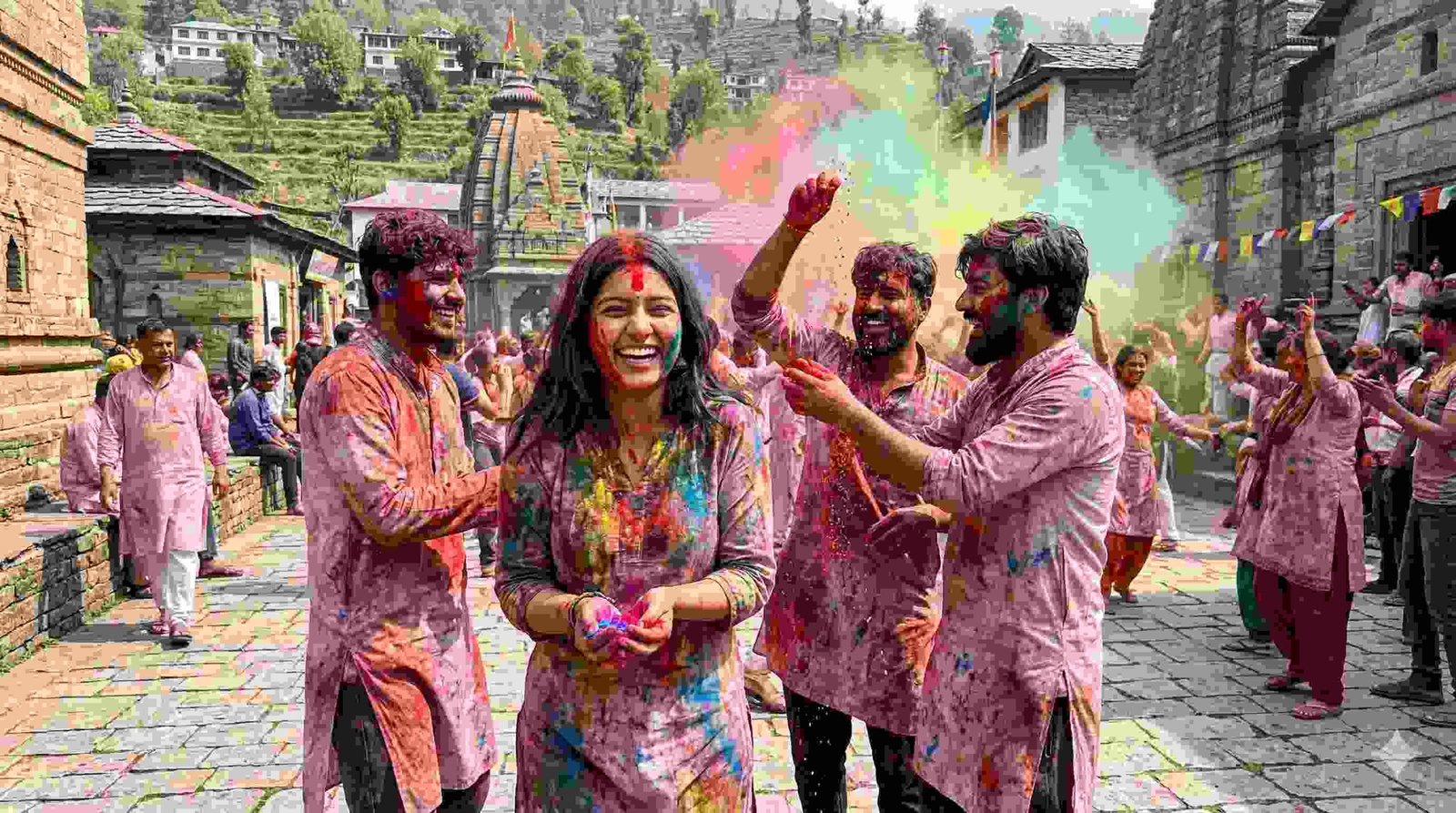
Mandi ki Holi in Himachal Pradesh is not just a festival; it is a spectacular fusion of ancient tribal traditions, royal history, and intense divine energy. While the entire state of Himachal celebrates the festival of colors, Mandi—often referred to as the “Varanasi of the Hills” due to its 81 ancient stone temples—offers an experience so unique that thousands of travelers, photographers, and devotees flock here annually. If you are planning to witness this cultural marvel, knowing the best time to visit Mandi for Holi and how the celebrations unfold is essential for a peaceful, comfortable, and spiritually fulfilling experience.
From the historic Paddal Ground to the sacred ghats lining the Beas River, Mandi transforms into a living canvas during this period. This detailed guide will help you understand the Mandi ki Holi experience, ensuring you capture the true essence of this Himalayan celebration while planning your journey wisely.
Why Mandi ki Holi is a Must-Visit Experience
Choosing to experience Mandi ki Holi allows you to witness a side of Himachal that is often hidden from the average tourist. Understanding the best time to visit Himachal temples during this season is crucial because:
- The Dev Holi Phenomenon: Witness the rare “Dev Holi” where local village deities (Devtas) arrive in ornate palanquins to participate in the festivities.
- Cultural Intersection: Experience the seamless transition from the International Mandi Shivratri Fair directly into the Holi celebrations.
- Royal Traditions: See the scion of the Mandi royal family lead the “Raj Madhav” procession, maintaining centuries-old customs.
- Organic Celebrations: The town is famous for using traditional dry colors (Gulal), ensuring a more eco-friendly and skin-friendly environment.
- Spiritual Vibrancy: The energy at the Bhootnath and Panchvaktra temples during this time is unmatched.
For pilgrims and travelers planning a structured journey, knowing the best time to visit Mandi ensures that you don’t just see the colors, but feel the soul of the “Land of Gods.”
Best Time to Visit Mandi ki Holi (The Ultimate Window)
If you want a short answer for your travel planning:
- Primary Window: The 3 days leading up to Holi and the day of the festival itself.
- Peak Months: March (based on the Hindu Lunar Calendar).
While Holi is a single day across India, in Mandi, the energy builds up for a week. Many experienced travelers consider the overlap between the end of the Shivratri Mela and the start of Holi as the absolute best time to visit Mandi for maximum cultural exposure.
The Pre-Holi Vibe: The Shivratri-Holi Fusion
In Mandi, Holi isn’t an isolated event. It serves as the grand finale to the International Mahashivratri Fair. This makes March the best time to visit Himachal temples in this region.
The Arrival of the Gods
Over 200 local deities from the surrounding valleys are carried on the shoulders of devotees into Mandi town. These deities stay in the town for a week, and their departure often coincides with the onset of Holi.
The Cultural Extravaganza
During this period, the Paddal Ground becomes a hub of activity. You can witness:
- Traditional Nati folk dances where hundreds of people dance in synchronized circles.
- Local Himachali artisans selling hand-woven shawls and woodwork.
- Nightly cultural programs featuring famous folk singers.
For those seeking a peaceful spiritual surrounding before the chaotic joy of Holi, the days just before the festival are the best time to visit Mandi.
Detailed Seasonal Guide: Best Time to Visit Himachal Temples
While Mandi ki Holi is a springtime event, understanding the broader seasonal patterns helps you plan a longer pilgrimage through the Shakti Peeths of Himachal.
1. Spring Season (March to April) – The Holi & Navratri Peak
Spring is widely regarded as the best time to visit Himachal temples, especially for those attending Mandi ki Holi.
- Weather: Pleasant 15°C to 25°C.
- Why it’s Ideal: The roads are clear of winter snow, the valleys are blooming with Rhododendrons, and the Chaitra Navratri follows shortly after Holi.
- Best for: Senior citizens and families who want comfortable walking conditions during temple darshan.
2. Summer Season (May to June) – The Family Pilgrimage
If you missed Mandi ki Holi, summer is a practical best time to visit Himachal temples for families with school-going children.
- Pros: Escape the scorching heat of the plains. Fully accessible high-altitude temples like Prashar Lake (near Mandi).
- Note: This is peak season, so expect longer darshan waiting times at major shrines like Kangra Devi and Jwala Ji.
3. Monsoon Season (July to September) – Lush but Requires Caution
The monsoon transforms Mandi into a misty, emerald paradise. However, it is not usually considered the best time to visit Himachal temples for long-distance circuits.
- Pros: Fewer crowds and a very peaceful, meditative atmosphere in the temples.
- Cons: Potential for landslides and slippery temple steps. It requires flexible travel plans.
4. Autumn Season (October to November) – The Post-Monsoon Serenity
Autumn is often cited by photographers as the absolute best time to visit Mandi and surrounding temples.
- Why it’s recommended: The skies are crystal clear, providing stunning views of the Dhauladhar range. The Sharad Navratri festival brings a second wave of spiritual energy to the Shakti Peeths.
- Ideal for: Those seeking a peaceful spiritual journey with manageable crowd levels.
Understanding the Traditions of Mandi ki Holi
To truly appreciate Mandi ki Holi, one must look beyond the colors and understand the rituals that make it sacred.
The Role of Raj Madhav
The presiding deity of Mandi is Lord Vishnu (locally known as Raj Madhav). On the day of Holi, the “Jalebi” (procession) of Raj Madhav is taken out. It is believed that the festival only truly begins once the deity has been offered the first colors. This royal connection makes Mandi ki Holi feel like a journey back in time.
The Chauhatta Bazaar Celebration
The heart of the celebration is the Chauhatta Bazaar. Thousands gather here to play with Gulal. Unlike modern parties, the music here is often a mix of traditional drums (Dhol) and folk instruments, creating a rhythmic trance that is unique to the hills.
The “Dev Holi” Tradition
In various pockets of Mandi district, “Dev Holi” is celebrated where the deities themselves are “played with.” Priests offer colors to the idols, and the water used to wash the deities is then sprinkled on the devotees as a blessing. This is why many consider this the best time to visit Himachal temples for receiving divine grace.
Planning Your Yatra: Best Time for Senior Citizens
Comfort is the top priority for elderly pilgrims. If you are bringing your parents to witness Mandi ki Holi, keep the following in mind:
- Avoid the Main Crowd: The peak hours at Chauhatta Bazaar can be intense. The best time for senior citizens is early morning (around 8:00 AM) when the temples are calm and the street play hasn’t reached its peak.
- Stay Centrally: Choose heritage properties or hotels near the main square to reduce walking distances.
- Weather Prep: March evenings in Mandi are chilly. Ensure you carry light woolens for the nights.
For a structured 7-day pilgrimage, the months of March and October remain the best time to visit Himachal temples for seniors, offering the perfect balance of mild weather and safe road travel.
Essential Tips for Attending Mandi ki Holi
To ensure your spiritual depth and physical comfort are maintained, follow these practical tips:
- Advance Booking: Because Mandi ki Holi attracts international tourists, hotels and transport should be booked at least 2-3 months in advance.
- Respect the Deities: When a Devta palanquin passes by, stop and show respect. Do not throw colors directly onto the palanquin or the priests unless you see others doing so respectfully.
- Use Organic Colors: Respect the pristine environment of the “Dev Bhoomi” by using only biodegradable colors.
- Photography Etiquette: Mandi is a photographer’s dream during Holi. However, always ask for permission before taking close-up shots of locals or rituals.
- Local Cuisine: Don’t leave without trying Sepu Badi (a Mandi specialty) and Kachru. Many local households prepare these specifically for the Holi feast.
Final Recommendation: When Should You Plan Your Visit?
To summarize the best time to visit Mandi for Holi and other spiritual needs:
| Purpose | Ideal Months | Why? |
| Mandi ki Holi | March | The core festival dates. |
| Shakti Peeth Yatra | March–April / October | Navratri and pleasant weather. |
| Family Holidays | May–June | Summer break and accessible roads. |
| Peace & Solitude | November–January | Very low crowds and serene vibes. |
| Photography | March / October | Best lighting and cultural vibrancy. |
If you are planning a complete pilgrimage covering Kangra, Dharamshala, Chamunda, Jwala Ji, Chintpurni, and Mandi, the most recommended window is March–April. These months provide the perfect intersection of weather, accessibility, and high spiritual energy.