
5 Hidden Villages Near Dharamshala That Most Travellers Never Find (And How to Reach Them)
Everyone knows Dharamshala. Most people have done McLeodganj. Triund has been photographed a million times. Bhagsu Waterfall gets a queue on weekends.
And that’s perfectly fine — these places are popular for good reason.
But Dharamshala is also the gateway to something far quieter, far rawer, and honestly far more rewarding. Tucked into the folds of the Kangra Valley, hidden behind dense oak and deodar forests, perched on ridges that most roads don’t reach — there are villages around Dharamshala that travellers walk past without ever knowing they existed.
This article is about those places.
Five hidden villages near Dharamshala that offer genuine mountain solitude, rare trekking trails, and the kind of stillness that you used to be able to find in Himachal Pradesh before it got properly discovered. These are not weekend tourist spots with cafes and Instagram signboards. These are real Himalayan villages — where the river is louder than the people, where life still revolves around terrace farming and cattle, and where the Dhauladhar mountains feel like they belong to you.
At Anomrids Travel, these are the places we take travellers who have already done Dharamshala once and are ready for what comes after.
Why Go Beyond McLeodganj?
Dharamshala and McLeodganj have changed significantly over the last decade. The infrastructure is better, the food scene is excellent, and the cultural experience of the Tibetan community is genuinely moving. But the sheer volume of footfall has taken something away from the experience — the silence, the surprise, the feeling that you’ve found something.
That feeling still exists in the Kangra Valley. You just have to walk a little further for it.
These five offbeat villages near Dharamshala are your starting point. Each one is different — different terrain, different vibe, different reason to go. But all of them share one thing: most people have never heard of them.
1. Salli Village — The Hidden Gateway Into the Kangra Interior
Nature Rating: 10/10 | Crowd Level: Nearly Zero | Best For: Serious trekkers, solitude seekers
If McLeodganj is Dharamshala’s front door, Salli Village is what you find when you go out the back, cross a river, push through a kilometre of oak forest, and keep walking.
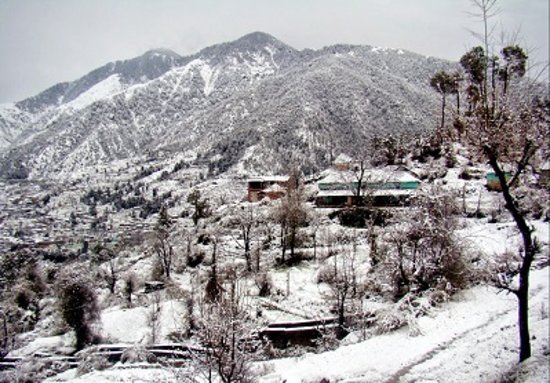
Tucked deep in the interior of the Kangra Valley, Salli Village sits on the banks of the Khauli River — and it is about as far removed from the McLeodganj buzz as you can get while still being within the broader Dharamshala region. The river is constant here. You hear it before you see the village, and it stays with you the entire time you’re there. In Salli, the Khauli doesn’t feel like background noise — it feels like the village’s heartbeat.
The forests surrounding Salli are dense with oak and rhododendron — the kind of forest cover that filters the light into something soft and green and makes every walk feel like you’ve stepped into a painting.
What Makes Salli Special
Salli is the base for some of the most underexplored high-altitude treks in the entire Dharamshala region. The most significant of these is the trail to Chakrotu Meadows.
If you’ve been to Triund and want to know what Triund felt like before it became famous — Chakrotu is your answer. The meadows are more expansive, the views are wider, and the trail sees a fraction of the footfall that Triund gets on any given weekend. This is not an easy trek — it’s longer, steeper, and requires a proper guide — but for experienced trekkers, it is one of the most rewarding trails in the Kangra Valley.
The Vibe: Pure mountain isolation. You’ll hear the river more than people.
Best For: Experienced trekkers, nature photographers, solo travellers seeking real solitude.
How to Reach Salli Village: Salli is accessible from Dharamshala via local roads into the Kangra Valley interior. The approach involves some off-road driving followed by a walk through forest. A local guide is strongly recommended — both for navigation and for arranging any trek permits needed for deeper trails.
Anomrids Travel Tip: Salli is a village that rewards preparation. Go with a guide, carry enough water, and plan to spend at least a full day — ideally two. The Chakrotu Meadows trek is best done as an overnight, with a camp in the meadows and an early morning return.
2. Bal Village — A 360-Degree View That Will Rearrange Your Priorities
Nature Rating: Exceptional | Crowd Level: Virtually None | Best For: View seekers, ridge walkers, photographers
There are viewpoints in Himachal Pradesh, and then there is Bal Village — where the viewpoint isn’t a spot, it’s the entire village.
Located above the Chuntra Valley, Bal is a tiny cluster of traditional Himachali houses perched on a ridge that seems specifically designed to show you everything at once. The Dhauladhar range fills the horizon on one side. The valley falls away on the other. Wherever you stand in Bal, you’re looking at something extraordinary.
What makes Bal different from the dozens of viewpoint villages across Himachal Pradesh is how genuinely off-the-grid it feels. There are no tourist facilities here. No cafes. No chai stalls catering to trekkers. Life in Bal revolves around what it has always revolved around — terrace farming and cattle — and the village makes no concessions to visitors. You arrive on the village’s terms, not yours.
That authenticity is, of course, exactly what makes it worth going to.
What Makes Bal Special
The 360-degree panoramic view from Bal’s ridge is one of the most complete mountain views in the Dharamshala region — arguably better than Triund for sheer breadth, even if the altitude is different. Photographers who make it up here consistently say it’s one of the best frames they’ve ever found in Himachal Pradesh.
The Vibe: Completely off-the-grid. Frozen in time. Genuinely Himachali.
How to Reach Bal Village: Bal typically requires a steep 2–3 hour hike from the Naddi or Galu side. The approach is deliberately difficult — and that difficulty is what keeps the crowds away. There is no shortcut. The hike is the admission ticket.
Best For: Fit trekkers, serious landscape photographers, those who want to experience a Himachali village that has not been touched by tourism.
Anomrids Travel Tip: Start the hike to Bal early — before 7 AM if possible. The views are clearest in the morning before the afternoon haze builds. Carry your own food and water. Don’t expect anything to be available in the village for visitors.
3. Kharota & Thatharna — The Raw Camping Experience with a Kundli Pass View
Nature Rating: Dense & Dark | Crowd Level: Low | Best For: Campers, forest trekkers, those tired of “managed” experiences
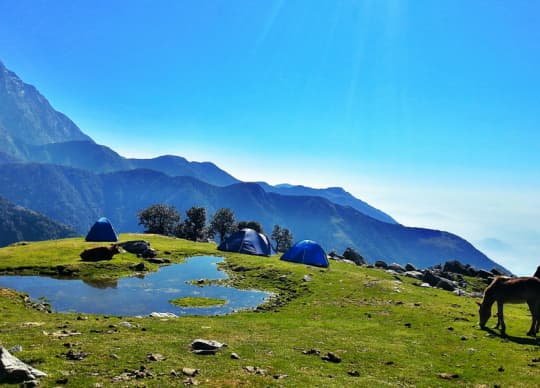
Thatharna is a meadow. Kharota is the village at its base. And together, they offer something that most camping spots near Dharamshala no longer can — a truly raw, uncommercialized mountain experience.
Kharota Village itself is far less developed than any other base camp or trail-head village in the Dharamshala region. There are no organised camping operators setting up Instagram-ready tent setups here. No fairy lights. No pre-arranged bonfire packages. What Kharota gives you is a genuine Himachali village as a starting point — and then a serious forest climb to reward those who make the effort.
The Forest Climb to Thatharna
The trail from Kharota to the Thatharna Meadows takes you through some of the thickest deodar forest cover in the entire Kangra district. This is the kind of walking that reminds you what forest actually means — a dense, living canopy that blocks most of the sky, filled with bird calls and the creak of old trees. The climb is steep and the trail is not always clearly marked. But when the forest opens up into the Thatharna Meadows, the contrast is breathtaking.
What Makes Kharota & Thatharna Special
From Thatharna, you get a direct, unobstructed view of Kundli Pass — one of the high Dhauladhar passes that most trekkers know by name but never actually see face-on like this. It’s the kind of view that makes you understand the scale of what’s around Dharamshala in a completely new way.
The Vibe: Quiet, rustic, steep, and completely genuine.
Why Go: For the most “raw” camping experience near Dharamshala, with a Kundli Pass view that feels earned.
How to Reach Kharota: Kharota is accessible by road from Dharamshala, though the final stretch involves narrow mountain lanes. From the village, the trail to Thatharna is a steady uphill climb — expect 3–4 hours one way for most walkers.
Anomrids Travel Tip: This is not a place for first-time campers or solo travellers without trail experience. Go with a guide who knows the Kharota–Thatharna route, and carry your own camping equipment. The meadow itself is the campsite — there are no facilities.
4. Ghera Village — Where the Road Ends and the Real Himalayas Begin
Nature Rating: Water & Wilderness | Crowd Level: Very Low | Best For: Trek base campers, shepherd trail explorers
Most travellers who go to the Kareri region drive through Ghera Village without stopping. They’re on their way to Kareri Lake, and Ghera is just a waypoint — the last place where the road exists before the landscape takes over completely.
That’s a significant mistake.
Ghera Village is the last motorable village before the high-altitude Kareri region begins. It sits at the confluence of multiple mountain streams — and the water here is extraordinary. Crystal clear, ice-cold, and constantly in motion from multiple directions. The confluence creates a natural soundscape that is genuinely unlike anything you’ll find closer to Dharamshala’s busier trails.
What Makes Ghera Special
Ghera functions as a mountain outpost for Gaddi shepherds — the semi-nomadic community who have grazed their flocks across these high Himalayan pastures for centuries. Staying in Ghera means waking up to the sound of sheep bells, drinking chai with shepherds who know every trail above the treeline, and understanding Himachal Pradesh’s living pastoral culture in a way no tourist attraction can replicate.
But the most significant geographical fact about Ghera is this: it is the starting point for the trek to Blanchi Pass — a high-altitude crossing used almost exclusively by Gaddi shepherds on their seasonal migration routes. Almost no recreational trekkers come this way. The trail is demanding, the altitude is serious, and there are no facilities beyond what the shepherds carry themselves. For experienced trekkers, this is exactly what makes it unmissable.
The Vibe: A bustling mountain shepherd outpost. Raw, water-rich, and full of living pastoral culture.
How to Reach Ghera Village: Ghera is accessible by road from Dharamshala via the Kareri route. The drive is beautiful and the roads are manageable in dry conditions. A 4×4 is recommended for confidence on the narrower sections.
Best For: Trekkers heading to Kareri Lake who want to add a village stay, Gaddi culture enthusiasts, experienced trekkers looking for truly off-the-beaten-path routes toward Blanchi Pass.
Anomrids Travel Tip: If you’re planning a Kareri Lake trek, spend a night in Ghera Village before and after the trek. It adds immeasurable depth to the experience — and the chai at Ghera in the early morning, with the streams audible from all sides, is one of the finest small pleasures available in the Dharamshala region.
5. Satobari — Ancient Cedars, Forest Mist, and the Finest Walk to Dal Lake
Nature Rating: Prime Old-Growth Forest | Crowd Level: Very Low | Best For: Slow walkers, nature lovers, forest photographers
Not every hidden gem near Dharamshala requires a 5-hour uphill trek. Some of the most beautiful places reward patience and observation, not just fitness.
Satobari is a small hamlet near the more well-known Naddi — but where Naddi has been discovered and increasingly visited, Satobari remains quietly itself. The difference between the two is largely about forest. Satobari is far more heavily forested than Naddi, and its forests are not young plantation trees — they are some of the oldest Cedar trees in the entire Dharamshala region. These are ancient, full-canopied, moss-covered giants that have been standing here for generations before tourism was even a concept in Himachal Pradesh.
The Forest Walk to Dal Lake
Satobari’s signature experience is the walk from Satobari to Dal Lake via the forest trail — not the road, not the tourist path, but the actual forest trail that winds through the old Cedar canopy.
This walk is not in any guidebook. There are no signboards. No cafes at the halfway point. No crowds. What there is: dappled light through ancient trees, the smell of old forest, the sound of birds you won’t find lower down, and eventually the quiet arrival at Dal Lake — which, reached this way instead of by road, feels like a discovery rather than a destination.
It is, without question, one of the most serene walks near Dharamshala that most travellers never take.
The Vibe: Quiet, misty, slow, and deeply restorative. Nature without the effort of a full day’s trek.
Best For: Those who want genuine nature immersion without a high-intensity experience. Perfect for couples, solo travellers, and anyone who has been overstimulated by McLeodganj’s energy and needs to decompress.
How to Reach Satobari: Satobari is accessible from Naddi — a short walk or short cab ride from Naddi itself. The forest trail to Dal Lake requires local knowledge to navigate correctly. Ask a local in Satobari to point you in the right direction, or go with someone who knows the path.
Anomrids Travel Tip: The best time for the Satobari forest walk is early morning — between 6 and 8 AM — when the mist is still in the trees and the light is coming through the canopy at a low angle. Carry a camera, move slowly, and resist the temptation to listen to anything on your phone. The forest sounds are the entire point.
Side-by-Side: Which Hidden Village Near Dharamshala is Right for You?
| Village | Best For | Fitness Required | Crowd Level | Signature Experience |
|---|---|---|---|---|
| Salli | Serious trekkers, solitude | High | Almost zero | Chakrotu Meadows trek via Khauli River |
| Bal | Photographers, view seekers | High (steep hike) | Virtually none | 360° Dhauladhar ridge view |
| Kharota & Thatharna | Raw campers, forest lovers | Medium-High | Low | Deodar forest camp + Kundli Pass view |
| Ghera | Culture + trek base campers | Medium | Very low | Gaddi shepherd culture + Blanchi Pass trail |
| Satobari | Slow walkers, nature lovers | Low-Medium | Very low | Ancient Cedar forest walk to Dal Lake |
When to Visit These Hidden Villages Near Dharamshala
April to June — The ideal window for all five villages. Trails are open, forests are lush, rhododendrons bloom in Salli and Kharota, and the weather is stable for camping and trekking.
September to November — The second-best season. Post-monsoon clarity brings the sharpest mountain views — the 360-degree panorama from Bal Village is particularly spectacular in October’s golden light.
July to August — The forests are impossibly green but trails can be slippery and leechy. Salli’s river section and Ghera’s multi-stream confluence are spectacular in monsoon, but hiking Kharota to Thatharna requires caution.
December to March — Snow covers the higher reaches. Satobari and parts of Ghera are accessible but Bal Village’s hike, Chakrotu, and Thatharna are typically snow-closed.
Practical Tips for Visiting Offbeat Villages Near Dharamshala
Always hire a local guide. None of these villages have clearly marked tourist trails. A local guide is not optional for Salli, Bal, Kharota, or the Blanchi Pass approach from Ghera — it is essential.
Carry sufficient cash. There are no ATMs in these villages. Withdraw in Dharamshala or McLeodganj before heading out.
Mobile connectivity is limited. Inform your accommodation about your plans before leaving. Download offline maps (Maps.me works well in these areas).
Carry your own food and water. None of these villages have tea stalls or dhabas catering to tourists. Pack enough for the day — or two, if camping.
Go with minimal luggage. Steep trails and narrow paths make large backpacks a liability. Pack light, pack smart.
Leave no trace. These places are pristine precisely because very few people visit. Carry all your waste out. These villages don’t have waste management systems — your rubbish stays there if you leave it.
Respect the villages. These are not tourist attractions — they are people’s homes. Ask before photographing residents. Walk around, not through, agricultural land.
Plan Your Offbeat Dharamshala Experience with Anomrids Travel
Most Dharamshala travel packages take you to McLeodganj, Triund, Bhagsu Waterfall, and Dal Lake. And there’s nothing wrong with that — for a first visit.
But if you’ve been to Dharamshala before and are ready for something genuinely different — or if you want your first Dharamshala trip to include experiences that most travellers never get — Anomrids Travel specialises in exactly this.
We plan custom offbeat Himachal Pradesh itineraries that go beyond the tourist trail — into the villages, up the lesser-known ridges, along the shepherd paths, and through the old-growth forests that make this part of Himachal Pradesh so extraordinary.
What we offer for offbeat Dharamshala experiences:
- ✅ Custom day trips and multi-day itineraries to hidden villages like Salli, Ghera, Satobari, and beyond
- ✅ Local guide arrangements — guides who know these trails personally
- ✅ Comfortable, reliable transport including 4×4 vehicles for rougher approach roads
- ✅ Trek permit assistance for GHNP and restricted area trails
- ✅ Camping logistics for Kharota–Thatharna and similar raw experiences
- ✅ Combined itineraries pairing offbeat village exploration with the Kangra temple circuit
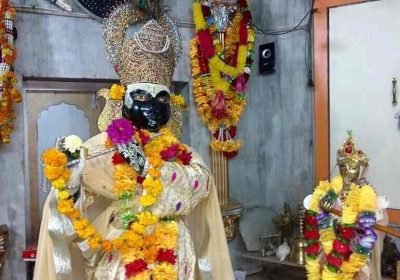
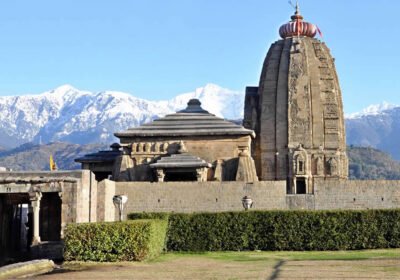
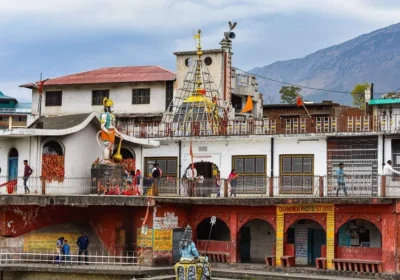
And if you’re a pilgrim or a family looking for a spiritually focused Himachal Pradesh trip alongside the natural beauty of the Kangra Valley — our Divya Himachal Temple Yatra covers the complete Shakti Peeth circuit across Dharamshala, Kangra, Chamunda Devi, Jwala Ji, Chintpurni, and Baijnath in a carefully paced, senior-friendly package that lets you experience both the sacred and the scenic sides of Dev Bhoomi.
📞 Contact Anomrids Travel to plan your offbeat Dharamshala itinerary, book the Divya Himachal Temple Yatra, or simply ask us where to go next.
Frequently Asked Questions — Hidden Villages Near Dharamshala
What are the best hidden villages near Dharamshala? The most rewarding hidden villages near Dharamshala include Salli (on the Khauli River with access to Chakrotu Meadows), Bal Village (360-degree Dhauladhar ridge views), Kharota and Thatharna (raw camping in dense deodar forest), Ghera Village (Gaddi shepherd culture and Blanchi Pass trailhead), and Satobari (ancient Cedar forest walk to Dal Lake). None of these feature in standard Dharamshala tourist itineraries.
Which hidden village near Dharamshala is best for beginners? Satobari is the most accessible — the walk to Dal Lake through the ancient Cedar forest is manageable for most fitness levels and requires no specialist trekking experience. Ghera Village is also accessible by road, making it suitable for those who want culture and nature without a demanding trek.
Is Triund still worth visiting in 2026? Yes, but manage your expectations. Triund is now a very popular, heavily visited trek — especially on weekends and peak season. For a quieter, more raw alternative, Kharota–Thatharna or the Chakrotu Meadows from Salli offer a far more solitary experience with comparable or better views.
Do I need a guide for these hidden villages? For Salli, Bal, Kharota–Thatharna, and the Blanchi Pass trail from Ghera — yes, a local guide is strongly recommended. Trails are not clearly marked and navigation without local knowledge is genuinely difficult. For Satobari’s forest walk to Dal Lake, a local to point you to the right trailhead is sufficient.
What is the best time to visit hidden villages near Dharamshala? April to June and September to October are the best windows for all five villages. April–May offers blooming forests and stable weather. October brings crisp post-monsoon clarity and the best visibility for mountain views from Bal and the upper meadows.
Can I combine an offbeat village visit with a Dharamshala temple tour? Absolutely — this is actually what Anomrids Travel recommends for travellers staying 4–6 days in the region. Combine a day or two exploring Satobari, Ghera, or Salli with darshan at Chamunda Devi Temple, Kangra Devi, or Jwala Ji for a Dharamshala experience that covers both the spiritual and the wild sides of Kangra Valley.