
Best Time to Visit Jibhi Himachal Pradesh: A Complete Month-by-Month Guide (2026)
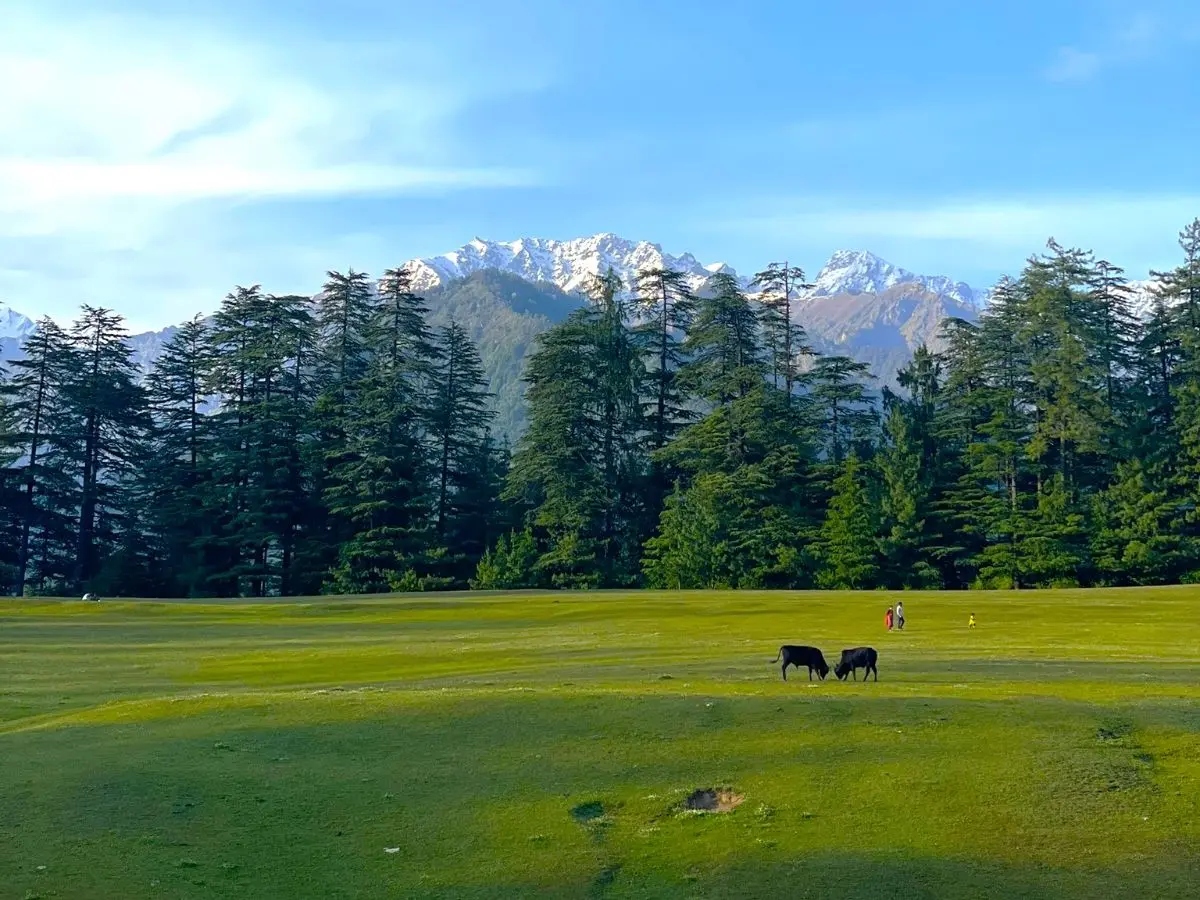
If there’s one question every traveller asks before booking their trip to this Himalayan hamlet, it’s this: “What is the best time to visit Jibhi Himachal Pradesh?” And it’s a fair question — because Jibhi is one of those rare destinations that wears a completely different personality in every season. The misty pine forests, gurgling Tirthan River, wooden cottages, and snow-dusted peaks look stunning year-round, but the experience changes dramatically depending on when you go.
At Anomrids Travel, we’ve helped hundreds of travellers plan their perfect Jibhi trip — honeymooners, solo backpackers, families, and workation warriors. This guide is the only resource you’ll need to decide exactly when to visit Jibhi, Himachal Pradesh based on your travel style, budget, and bucket list.
Jibhi, Himachal Pradesh: A Quick Overview
Jibhi is a small village nestled in the Sainj Valley of Kullu district in Himachal Pradesh, tucked within the Banjar Valley and positioned as a gateway to the Great Himalayan National Park (GHNP), a UNESCO World Heritage Site. Jibhi sits at approximately 2,580 metres (8,465 feet) above sea level — high enough for crisp mountain air and spectacular views, yet accessible enough for most travellers year-round.
Known for its riverside cafes, ancient wooden temples, cascading waterfalls, and the iconic Jalori Pass, Jibhi is the kind of place where you arrive for a weekend and find yourself extending by days. Choosing the right season is the key to unlocking the best version of Jibhi.
Best Time to Visit Jibhi Himachal Pradesh: Quick Summary
| Season | Months | Temperature | Best For |
|---|---|---|---|
| Spring ⭐ Best | March – June | 10°C – 25°C | Trekking, nature walks, photography |
| Monsoon | July – August | 13°C – 20°C | Lush greenery, waterfalls, fewer crowds |
| Autumn ⭐ Best | September – November | 3°C – 18°C | Photography, clear skies, golden foliage |
| Winter | December – February | -5°C – 10°C | Snow, solitude, cozy homestays |
Season-by-Season Guide: Best Time to Visit Jibhi Himachal Pradesh
🌸 Spring & Early Summer — March to June (Most Recommended)
The best time to visit Jibhi is during spring, from March to June, when the weather is pleasantly cool and the valley is alive with blooming flowers and lush greenery. This season is ideal for outdoor activities such as hiking, fishing, and bird watching, allowing visitors to fully immerse themselves in the beauty of the valley.
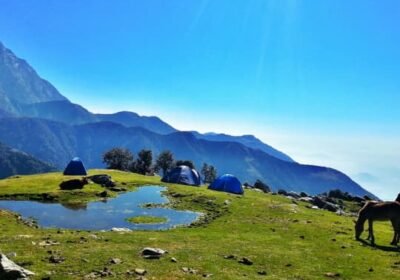
Spring is arguably the best time to visit Jibhi. The weather is pleasant, with temperatures ranging between 10°C to 25°C. The snow begins to melt, revealing the vibrant green meadows and blooming flowers. This season is perfect for trekking, camping, and exploring the local attractions.
April and May offer the clearest skies and most stable weather, perfect for long-duration treks and outdoor activities. The famous Jalori Pass (at 3,120 metres) opens up for the season, and the Serolsar Lake trek is at its most rewarding with wildflowers lining the trail.
What makes March–June special for Jibhi:
- Rhododendrons and wildflowers bloom across the valley
- Waterfalls are fed by snowmelt and run at full force
- Perfect conditions for the Jalori Pass and Serolsar Lake treks
- The Tirthan River is ideal for trout fishing and riverside picnics
- Long, bright days mean more time for exploration
Anomrids Travel Verdict: This is our top recommendation for first-time visitors to Jibhi. Book accommodation at least 3–4 weeks in advance as this is peak season and rooms fill fast.
🌧️ Monsoon — July to August (For the Adventurous)
The monsoon season transforms Jibhi into a lush, intensely green paradise — but it comes with caveats. While the monsoon brings a fresh lease of life to the region, it also comes with its own set of challenges. The region receives moderate to heavy rainfall, which can lead to landslides and roadblocks.
Temperatures remain moderate between 14°C to 20°C in July, slightly cooling to 13°C–19°C in August. While some might avoid travel during this time, monsoon offers unique experiences. The waterfalls are absolutely thundering, the forests are impossibly green, and Jibhi sees far fewer tourists, so you get the place nearly to yourself.
What to expect in Jibhi during monsoon:
- Spectacular green landscapes and roaring waterfalls
- Significantly fewer tourists — more peace, lower prices
- Leech encounters on forest trails
- Risk of landslides on mountain roads — travel disruptions possible
- Some treks like Jalori Pass can become slippery and risky
Anomrids Travel Verdict: Only recommended for flexible, experienced travellers who don’t mind weather disruptions. Always check road conditions before travelling, and keep your itinerary loose.
🍂 Autumn — September to October (Equally Best)
Post-monsoon autumn is considered by many as the best time to visit Jibhi. Temperatures gradually cool from 9°C–18°C in September to 3°C–15°C in October.
Autumn, from September to November, is equally beautiful. The landscape transforms into a vibrant palette of gold and amber as the foliage changes colour before the onset of winter. The skies are at their clearest after the rains, making this the finest season for mountain photography.
October is ideal for photography as the skies are clearest and the autumn colours are at their peak. The Jalori Pass trek and Serolsar Lake trail are spectacular in this golden season, with crisp views of snow-capped peaks against autumn-coloured forests.
What makes September–October special for Jibhi:
- Crystal-clear post-monsoon skies — best mountain visibility of the year
- Golden and russet autumn foliage across the valley
- Crisp, refreshing air and comfortable walking temperatures
- Roads are stable and safe after the monsoon season clears
- Less crowded than summer peak season
Anomrids Travel Verdict: October is arguably the single best month to visit Jibhi for photographers, trekkers, and those who love dramatic landscape colours. Highly recommended by our team.
❄️ Late Autumn — November (Quiet & Beautiful)
November marks the transition from autumn to winter in Jibhi. The days are crisp and the air is sharp. Early November still carries some of the golden foliage magic, while late November sees temperatures dipping sharply after dark and the first whispers of snow at higher elevations near Jalori Pass.
Weather is very cold (0°C to 10°C) in this period. What to expect: few tourists, misty mornings, and cosy vibes. The Jalori Pass typically remains accessible through most of November before closing for winter.
Anomrids Travel Verdict: A great choice for those seeking absolute solitude and moody mountain landscapes. Pack very warm layers.
❄️ Winter — December to February (For Snow Lovers)
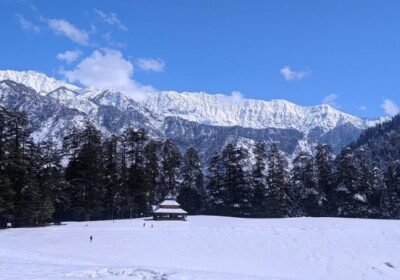
Winter in Jibhi is a magical experience. The landscape gets draped in a blanket of snow, transforming the region into a winter wonderland. The temperatures can drop to as low as -4°C. It’s a great time for snow lovers and those looking to experience a white Christmas. However, be prepared with heavy woolens and check the weather forecast before planning your trip.
Winter brings snowfall and temperatures dropping as low as -5°C. The Jalori Pass is closed in deep winter, and some roads can become inaccessible during heavy snowfall. However, Jibhi village itself is accessible for most of winter, and the snow-covered wooden cottages against the white pine forest are breathtakingly beautiful.
What winter in Jibhi offers:
- Snow-covered landscapes and frozen waterfall streams
- Cosy wood-fire evenings in homestays
- Very few tourists — complete peace and solitude
- Affordable accommodation rates (off-season pricing)
- Risk of road closures during heavy snowfall spells
Anomrids Travel Verdict: Perfect for snow lovers and budget travellers, but only if you’re prepared for the cold and can handle travel uncertainties. Always confirm road accessibility before departing.
Month-by-Month Jibhi Weather & Travel Guide
Here’s the most detailed breakdown you’ll find for Jibhi Himachal Pradesh weather by month:
| Month | Temperature | Crowd Level | Highlights |
|---|---|---|---|
| January | -5°C to 10°C | Very Low | Snow scenery, cozy vibes, misty mornings |
| February | -3°C to 11°C | Low | Late winter snow, first spring blooms at lower elevation |
| March | 5°C to 15°C | Medium | Flowers blooming, snow melting, trails opening |
| April | 8°C to 20°C | High | Clear skies, full bloom, Jalori Pass opening |
| May | 10°C to 25°C | Peak | Best trekking, waterfalls, long bright days |
| June | 12°C to 22°C | High | Lush green valley, pre-monsoon freshness |
| July | 14°C to 20°C | Low | Heavy rains, roaring waterfalls, green explosion |
| August | 13°C to 19°C | Low | Monsoon continues, landslide risk, fewer crowds |
| September | 9°C to 18°C | Medium | Post-monsoon clarity, fresh air, trails reopening |
| October | 5°C to 15°C | High | Golden foliage, clearest skies, best photography |
| November | 0°C to 10°C | Low | Crisp air, late autumn colours, quiet valley |
| December | -3°C to 8°C | Very Low | Snowfall, winter wonderland, road risk |
Best Time to Visit Jibhi for Specific Travel Types
🏔️ Best Time for Trekking in Jibhi
April to June and September to October are the two ideal windows for trekking around Jibhi. The Jalori Pass, Serolsar Lake, and Raghupur Fort treks are all excellent during these months, with stable weather, open trails, and clear views.
📸 Best Time for Photography
October wins this hands down. The combination of post-monsoon crystal skies, golden-amber foliage, crisp mountain air, and snow-capped peaks in the background creates conditions that photographers dream about.
💑 Best Time for Honeymoon in Jibhi
April–May for a romantic spring bloom experience, or December–January for a dreamy snow-covered getaway by the fireplace. Both offer extraordinary intimacy and natural beauty.
👨👩👧 Best Time for Families
April to June is the most family-friendly window — roads are good, weather is predictable, activities are plentiful, and children love the open trails and waterfalls.
💻 Best Time for Workation in Jibhi
September–November is ideal for a workation — the weather is pleasant, crowds have thinned, homestays offer quieter environments, and the autumn colours make every break from the laptop worthwhile.
💰 Best Time for Budget Travel
November and February–March are the sweet spots for budget travellers. Accommodation rates drop significantly in the off-season, yet the destination is still beautiful and accessible.
Top Places to Visit in Jibhi, Himachal Pradesh
No Jibhi Himachal Pradesh travel blog is complete without covering the must-visit attractions. Plan your itinerary around these highlights:
1. Jalori Pass (3,120 metres)
One of the most accessible high-altitude passes in Himachal Pradesh, Jalori Pass offers sweeping views of the Himalayan ranges and is the starting point for the Serolsar Lake trek. Open from April to early December. A must-visit on every Jibhi itinerary.
2. Serolsar Lake
Nestled beyond Jalori Pass at 3,100 metres, this serene high-altitude lake surrounded by dense forest is a beautiful 5 km trek from the pass. The lake holds religious significance and the surrounding forest is filled with birdsong.
3. Jibhi Waterfall
Tucked into the forest just a short walk from the village, Jibhi Waterfall is a peaceful spot perfect for photography and quiet contemplation. At its most spectacular during and just after the monsoon.
4. Chaini Kothi
A remarkable ancient tower-like structure built from stone and wood using traditional Himachali techniques. Chaini Kothi offers panoramic views of the valley and provides a fascinating glimpse into regional heritage. Requires a moderate uphill trek.
5. Shringa Rishi Temple
A beautiful wooden temple dedicated to the local deity Shringa Rishi, set amidst serene forest surroundings. An important religious site and an architectural example of traditional Himachali craftsmanship.
6. Raghupur Fort
Perched high above the valley near Jalori Pass, Raghupur Fort rewards trekkers with panoramic views across multiple valleys. A historical and scenic treasure in equal measure.
7. Tirthan River
The crystal-clear Tirthan River flowing through Jibhi is perfect for trout fishing, riverside picnics, and simply sitting with your feet in the water. Several riverside cafes have sprung up along its banks.
8. Mini Thailand (Kulhi Katandi)
A newly discovered viewpoint near Jibhi that offers a breathtaking river bend view reminiscent of the famous river bends in Northern Thailand. A rising star on the Jibhi photography circuit.
How to Reach Jibhi, Himachal Pradesh
By Road from Delhi: ~500 km | 12–14 hours. Take NH44 to Chandigarh, then NH21 towards Mandi, and turn at Aut towards Banjar and Jibhi.
By Road from Chandigarh: ~260 km | 7–8 hours via Bilaspur–Mandi–Aut route.
By Bus: HRTC overnight buses run from Delhi ISBT and Chandigarh to Aut. From Aut, take a local taxi or shared cab to Jibhi (~30–40 minutes).
By Air: Nearest airport is Bhuntar (Kullu-Manali Airport) — approximately 50–60 km from Jibhi. Taxis are available from the airport.
By Train: Nearest major railway station is Chandigarh. From there, proceed by road. Jogindernagar is closer but has limited train services.
Anomrids Travel Tip: Book a private cab from Aut or Bhuntar directly to Jibhi for the most comfortable and hassle-free arrival. We can arrange airport/station pickups for all our Jibhi packages.
Where to Stay in Jibhi, Himachal Pradesh
Jibhi offers some of the most charming accommodation in all of Himachal Pradesh. Options range from cosy riverside homestays and wooden cottages to boutique eco-resorts. Here’s what to expect:
Homestays — The most authentic Jibhi experience. Stay with a local family, enjoy home-cooked Himachali meals, and wake up to mountain views. Prices: ₹800 – ₹2,500/night.
Wooden Cottages & Guesthouses — Jibhi is famous for its traditional wooden Himachali cottages. Many guesthouses are built in this style, offering comfort alongside local character. Prices: ₹1,500 – ₹5,000/night.
Riverside Camps — Camping setups along the Tirthan River offer bonfires, star gazing, and the constant sound of flowing water. Operational from March to November.
Boutique Resorts — A small number of well-designed boutique properties have opened near Jibhi, offering better amenities without sacrificing the mountain atmosphere. Prices: ₹4,000 – ₹10,000/night.
Anomrids Travel Tip: Book well in advance for April–June and October. Properties sell out weeks ahead during peak season.
What to Eat in Jibhi, Himachal Pradesh
The food scene in Jibhi has evolved beautifully over recent years, combining traditional Himachali cuisine with the hip riverside cafe culture the village is now known for. Must-try food experiences include:
- Siddu — Himachal’s beloved stuffed steamed bread, best eaten hot with ghee
- Chana Madra — Chickpeas slow-cooked in spiced yogurt gravy
- Himachali Rajma Chawal — Red kidney beans with rice, the Himalayan soul food
- Fresh Trout — Tirthan Valley is famous for its river trout; don’t leave without trying it
- Babru — Deep-fried bread stuffed with black gram, a local snack staple
- Riverside Cafe Culture — Jibhi’s cafes along the Tirthan River serve excellent chai, Maggi, parathas, and increasingly good coffee and international food
Essential Travel Tips for Jibhi Himachal Pradesh
Book Accommodation Early: Peak season (April–June, October) sees high demand and limited availability. Plan 3–4 weeks ahead.
Carry Sufficient Cash: ATM facilities are limited in Jibhi. Withdraw cash in Kullu, Mandi, or Chandigarh before entering the valley.
Check Road Conditions in Monsoon & Winter: Mountain roads near Jibhi can become dangerous during heavy rain or snowfall. Always check current conditions before departing.
Pack Layers: Even in summer, Jibhi evenings are cool. A light jacket is essential year-round; heavy woolens required from October through March.
Jalori Pass Access: The pass is open from approximately April to early December. Check locally for the current status of the pass before planning your trek.
Respect the Environment: Jibhi’s pristine natural beauty depends on responsible tourism. Carry all waste out, avoid single-use plastics, and support local businesses.
Mobile Connectivity: Signal can be patchy in remote parts of Jibhi. Download offline maps (Google Maps or Maps.me) before arriving.
Jibhi vs Shangarh: Which is Better?
At Anomrids Travel, one of our most frequently asked questions is whether to visit Jibhi or nearby Shangarh. Our honest answer: visit both.
Jibhi has better road access, more developed accommodation, riverside cafes, and a more social atmosphere. It’s the easier, more comfortable base in the Sainj Valley.
Shangarh is rawer, more remote, and more visually dramatic with its famous sacred meadows and ancient Shangchul Mahadev Temple. It takes more effort to reach but delivers a more deeply immersive Himalayan experience.
The ideal Sainj Valley itinerary from Anomrids Travel includes one night in Jibhi and two nights in Shangarh — giving you the best of both worlds.
Sample 3-Night Jibhi Itinerary by Anomrids Travel
Day 1 — Arrival in Jibhi Arrive and settle into your riverside cottage or homestay. Evening walk along the Tirthan River. Dinner at a local cafe.
Day 2 — Jalori Pass & Serolsar Lake Trek Early start to Jalori Pass. Trek to Serolsar Lake and back (approximately 10 km round trip). Return to Jibhi for a bonfire evening.
Day 3 — Jibhi Waterfall, Chaini Kothi & Village Walks Morning visit to Jibhi Waterfall. Afternoon hike to Chaini Kothi for valley views. Explore village lanes, apple orchards, and local architecture.
Day 4 — Day Trip to Shangarh or Departure Optional morning drive to Shangarh meadows for the day before returning to Jibhi for departure. Or begin your return journey with a scenic stop at Shringa Rishi Temple.
Why Plan Your Jibhi Trip with Anomrids Travel?
At Anomrids Travel, we specialise in crafting personalised, offbeat Himachal Pradesh experiences that go beyond the standard tourist trail. Our Jibhi packages include:
- Personalised itineraries built around your travel dates, interests and budget
- Handpicked stays — from cosy homestays to boutique river cottages
- Comfortable, reliable transport with experienced mountain drivers
- Trek permits and local guide arrangements for Jalori Pass and GHNP treks
- Flexible monsoon and winter packages for those who love the road less travelled
- 24/7 on-trip support from our team
Whether you’re planning your first Himachal escape or your tenth, Anomrids Travel will ensure your Jibhi Himachal Pradesh trip is timed perfectly and planned flawlessly.
📞 Contact Anomrids Travel today — let’s find the best time for your Jibhi trip.
Frequently Asked Questions — Best Time to Visit Jibhi Himachal Pradesh
What is the best time to visit Jibhi Himachal Pradesh? The best time to visit Jibhi is from March to June, when temperatures range between 10°C and 25°C, offering pleasant weather, blooming landscapes, and excellent conditions for trekking, camping, and sightseeing. September to October is equally excellent, with crisp post-monsoon skies and golden autumn foliage.
Is Jibhi worth visiting in winter? Yes — for the right traveller. Winter Jibhi offers snow-covered landscapes, complete solitude, and cosy fireplace evenings. However, temperatures can drop to -5°C and some roads may close during heavy snowfall. Always check conditions before travelling.
Can I visit Jibhi during monsoon? You can, but it requires flexibility. The valley is stunningly green and waterfalls are incredible, but landslides and road closures are possible. Keep your plans loose and check weather forecasts daily.
How many days should I spend in Jibhi? We recommend 3–4 days minimum to do Jibhi proper justice. This gives you time for the Jalori Pass trek, Jibhi Waterfall, village walks, river time, and a possible day trip to nearby Shangarh.
Is Jibhi good for a honeymoon? Absolutely. Jibhi is one of Himachal Pradesh’s most romantic destinations, especially during spring (April–May) when flowers bloom and the valley is fresh and green, or in winter (December–January) for a snowy fireplace escape.
Is Jalori Pass open year-round? No. Jalori Pass is typically open from April to early December. It closes during winter due to heavy snow. Always check current access before planning treks that include the pass.
This guide was written by the travel experts at Anomrids Travel — your trusted partner for offbeat Himachal Pradesh adventures. Information accurate as of 2026. For a personalised Jibhi travel plan, contact us directly.
Tags: best time to visit Jibhi Himachal Pradesh, Jibhi travel guide 2026, Jibhi weather by month, Jibhi Himachal Pradesh travel blog, Jibhi Tirthan Valley, when to visit Jibhi, Jibhi trekking season, Jalori Pass best time, Anomrids Travel Jibhi, offbeat Himachal Pradesh, Jibhi monsoon travel, Jibhi winter snow, Jibhi honeymoon, Jibhi workation